





Live Light: Build a Calm, Minimalist Smart Home

Together we’ll explore creating a minimalist smart home by choosing intentional devices that reduce clutter and costs. You’ll learn to audit what you own, adopt one dependable backbone, and craft gentle automations that serve daily life. Expect practical room layouts, privacy tips, and money-saving habits that make technology almost invisible while comfort, safety, and focus quietly grow.

The Power of Less at Home

Paring back to fewer, smarter devices creates space for attention, saves surprising amounts of money, and reduces silent maintenance chores. Instead of chasing novelty, we’ll focus on outcomes that matter daily: restful sleep, safer entryways, efficient lighting, and predictable energy bills. A lean setup lowers decision fatigue, shortens troubleshooting, and increases reliability, which means your family spends less time fiddling and more time enjoying a home that quietly supports better habits.

One Reliable Backbone, Not Five Competing Systems

Interoperability quiets chaos. Choosing a shared standard early—such as Matter over Thread or a consistent Zigbee approach—avoids bridges stacking like coasters under your router. A single dependable hub with local control reduces latency, shrinks failure points, and simplifies onboarding for family and guests. With a unified backbone, you can add inexpensive endpoints gradually, confident they will cooperate without brittle workarounds or app overload.
Evaluate whether your phones, tablets, and voice assistants already support Matter, Thread, or HomeKit, and confirm device roadmaps before you buy. Favor brands with transparent standards support and long firmware lifecycles. Establishing one language minimizes compatibility surprises, lets you comparison-shop widely, and keeps your household from juggling parallel ecosystems that duplicate features, drain Wi‑Fi bandwidth, and generate needless cognitive overhead.
A quiet, reliable hub that runs locally often outperforms flashier, cloud-bound gear. It keeps routines snappy, preserves privacy, and continues working through internet hiccups. Aim for one hub, not many, and position it where radio coverage is strongest. Your reward is fewer power bricks, less troubleshooting, and a central brain that remains understandable even months after the initial setup excitement fades.
Pick systems with straightforward guest access, readable labels, and intuitive manual overrides. Wall switches should still work if automations fail, and scenes should be named in plain language. By designing for visitors and the busier version of yourself, you reduce lock‑in, avoid brittle hacks, and keep your home navigable without instruction manuals, QR codes, or frantic searches for long‑forgotten app screens.

Quiet Rooms: Practical Setups that Breathe

Room by room, focus on a few purposeful upgrades that remove friction. Kitchens benefit from task lighting and simple timers; bedrooms thrive on gentle light shifts and consistent temperature; living areas calm down when notifications and remotes consolidate. The goal is responsive comfort with fewer visible gadgets. Each space keeps just what earns its keep, proving restraint can feel luxuriously attentive and human.

Kitchen That Guides, Not Distracts

Under‑cabinet lights tied to motion at dim levels prevent harsh wake‑ups during late snacks, while a single smart plug schedules the loudest appliances away from quiet hours. A magnetic timer and a voice‑friendly list replace countertop screens. Fewer devices, clearer counters, and dependable cues help meals flow smoothly without a chorus of pings, cables, or complicated multi‑app rituals every evening.

Bedroom that Winds Down on Cue

Warm lights that gradually dim, blinds that follow sunset, and a soft fan scene help your body prepare for rest. A silent, local air‑quality check can nudge a window crack instead of blasting a purifier all night. A single bedside control replaces scattered switches, encouraging routines that signal safety, predictability, and sleep without extra screens competing for attention.

Spend Once, Save for Years

Total cost of ownership matters more than sticker price. Devices that last, update reliably, and work locally reduce replacements, subscriptions, and hidden energy draw. Measure first, automate second, and track savings to validate choices. Even small wins—like occupancy‑based lights and smarter schedules—compound monthly. Your wallet, your time, and the planet benefit when intention guides purchases instead of impulse or marketing cycles.

Measure First with Smart Plugs and Meters

Plug high‑draw appliances into energy‑monitoring outlets for two weeks before buying anything else. Real data reveals vampire loads and poor settings. You may find the dehumidifier needs scheduling, not replacing. This single step avoids unnecessary gadgets, prioritizes impactful changes, and creates a baseline you can revisit whenever bills creep upward or seasons shift toward heating and cooling extremes.

Automations that Cut Waste, Gently

Start with one or two routines that never annoy: bathroom fans on timers, hallway lights on motion with graceful fade, and thermostats that favor occupancy and weather forecasts. Gentle adjustments reduce resistance and rarely require overrides. Over time, these modest tweaks compound into meaningful savings without forcing you to micromanage settings or juggle complex exception rules every busy weekday.

Design that Disappears into the Background

Clarity is a design choice. Tuck hubs in ventilated cabinets, route cables through adhesive channels, and replace individual chargers with a single multi‑port brick. Prefer discreet sensors, neutral finishes, and labels that future you will understand. When infrastructure fades visually, the home feels larger and cleaner. The results are subtle but powerful: less dusting, fewer snags, and more mental ease.

Hide Cables and Consolidate Power

Use short patch cords, right‑angle adapters, and reusable ties to tame the spaghetti. Mount power strips off the floor and label each plug clearly. One high‑quality surge protector can replace several wobbly bricks. A little forethought lowers hazards, speeds troubleshooting, and keeps upgrades painless because everything is mapped, reachable, and no longer tangled behind furniture or stacked baskets.
One Interface to Replace Many

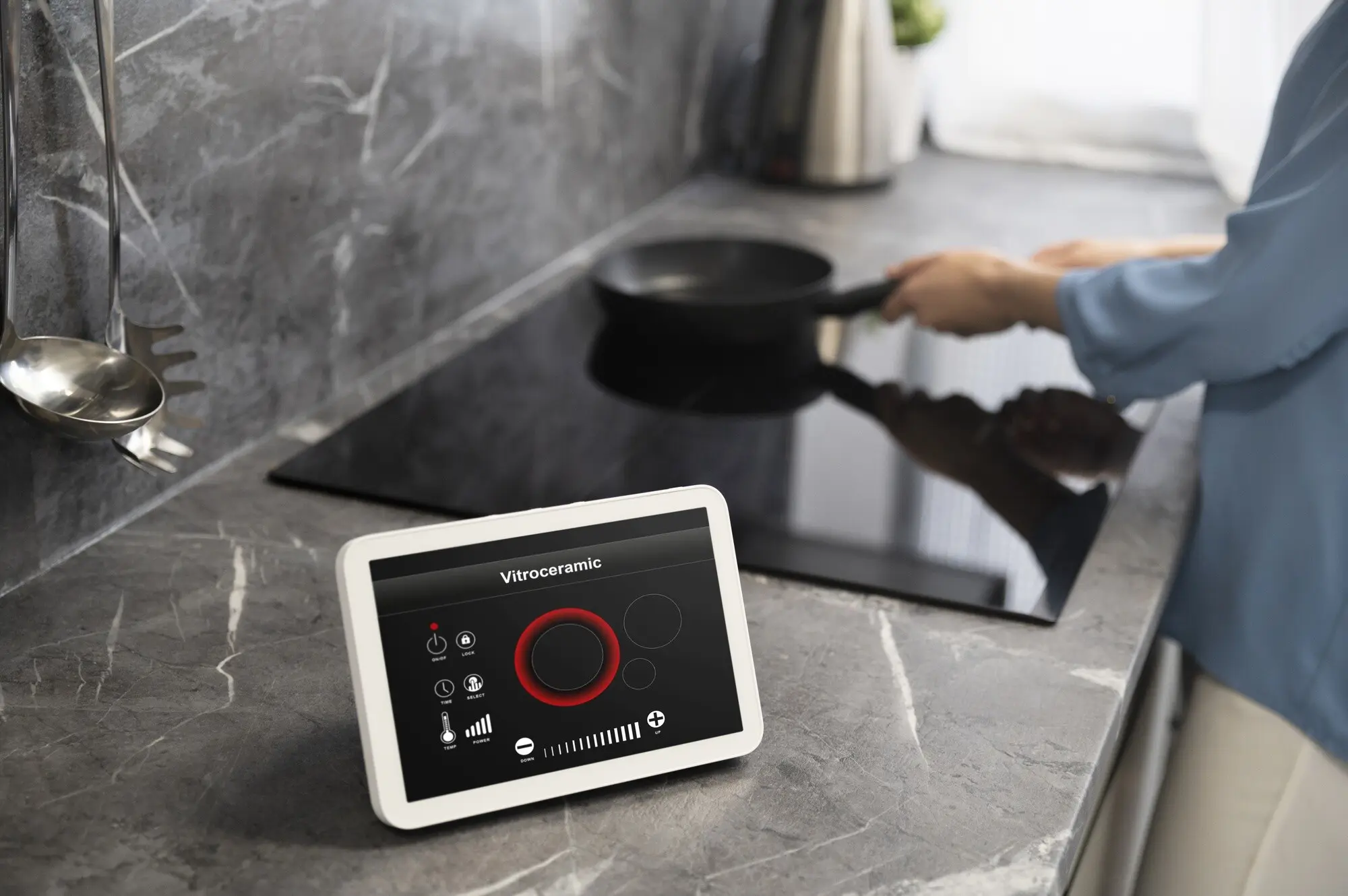
A thoughtfully arranged wall keypad or a small dashboard tablet can unify scenes for lights, temperature, and entry. Fewer apps mean less hunting. Keep sheets of quick instructions for guests near switches. Thoughtful defaults—like all‑off, movie, and bedtime—shorten routines dramatically, letting your household operate smoothly without scrolling through icons or memorizing arcane sequences that never survive a busy week.
Scenes over Apps, Voice over Menus

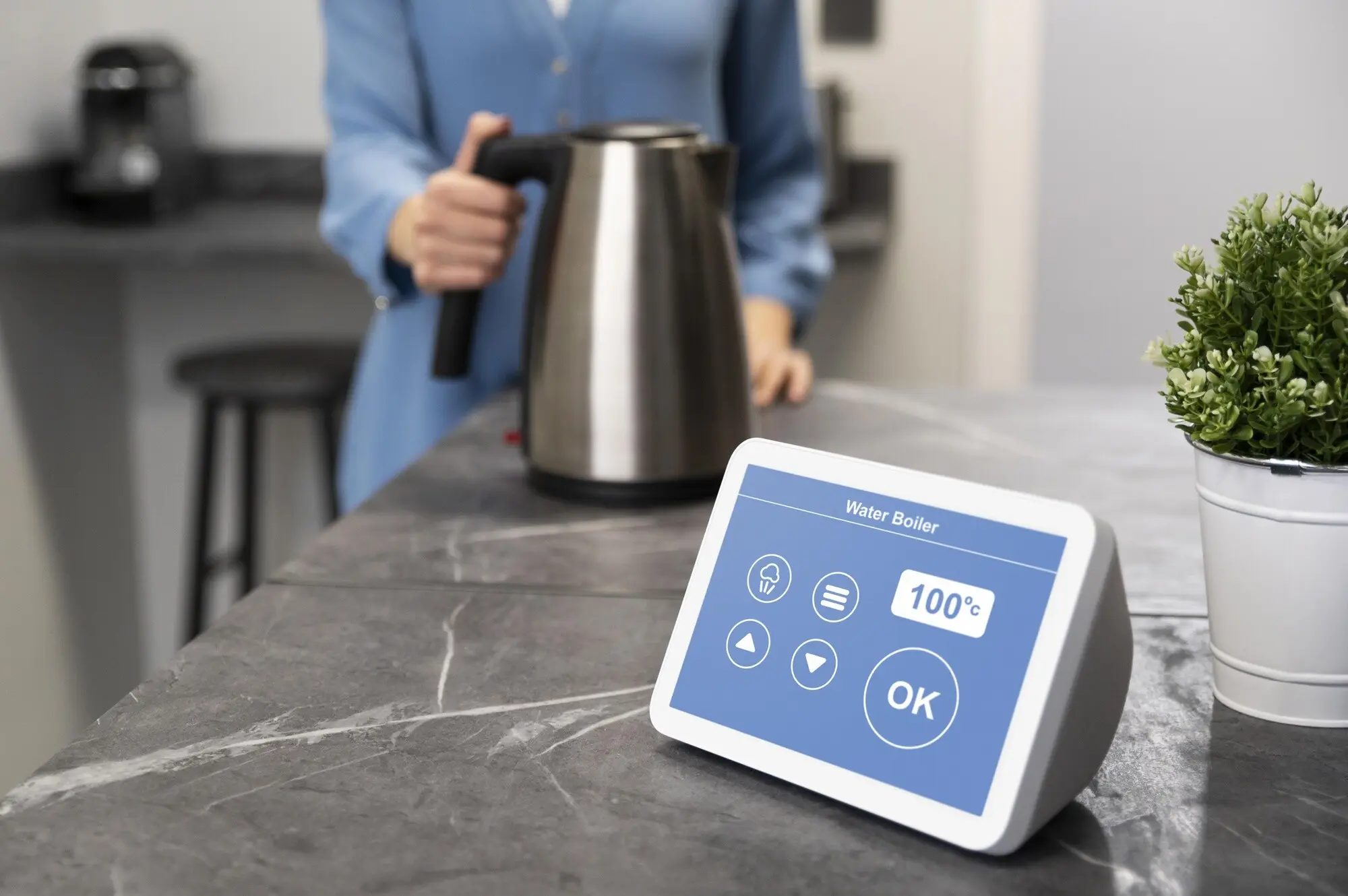
Favor simple, named scenes for frequent tasks, then add voice or a single tactile button for hands‑busy moments. By solving common patterns elegantly, you avoid digging into menus and minimize on‑screen time. This approach respects attention, keeps actions learnable for everyone, and preserves the quiet mood that makes a minimalist home feel soothing and thoughtfully composed every day.


Private, Durable, and Family-Proof

Trust grows when control stays close to home. Prefer local processing, strong account security, and clear data practices. Build automations that survive internet outages and include manual fallbacks for guests and kids. Label everything in plain language. With graceful degradation and transparent roles, your household enjoys convenience without sacrificing privacy, safety, or the right to simply flip a switch anytime.

Join In: Share Your Loadout and Learn with Us

Your experiences sharpen this guide. Tell us which devices you retired, what you kept, and how much time or money you saved. Ask questions about standards, audits, or room setups. Subscribe for hands‑on experiments, long‑term reviews, and gentle reminders to revisit settings. Together we’ll build homes that stay simple, affordable, and wonderfully calm across seasons and busy schedules.
Nexomorisanolorofarizeraviro
Privacy Overview

This website uses cookies so that we can provide you with the best user experience possible. Cookie information is stored in your browser and performs functions such as recognising you when you return to our website and helping our team to understand which sections of the website you find most interesting and useful.