Counting the Savings: Smart Thermostats, LEDs, and Insulation That Pay You Back

Today we dig into Energy Efficiency ROI by comparing smart thermostats, LED lighting, and insulation upgrades, translating everyday comfort into clear financial returns. With relatable stories, simple math, and unbiased guidance, we examine payback timelines, durable savings, incentives, climate influences, and habits, so you can choose confidently, act quickly, and watch utility costs fall while comfort and resilience rise throughout every season.

How Energy Payback Really Works at Home

Before picking devices or materials, you need a reliable method for estimating returns. We’ll connect utility rates, operating hours, climate, and equipment performance to calculate savings, then compare upfront costs against those savings using payback, ROI, and net present value. By grounding decisions in numbers, not hype, you’ll avoid regret, select with purpose, and unlock compounding benefits that lower bills, boost comfort, and raise your home’s value.

Start with a Clean Baseline

Gather twelve months of bills, list heating and cooling fuels, and note seasonal swings. Snap photos of nameplates, thermostat schedules, bulb wattages, and insulation depth. A clean baseline anchors every estimate, reveals low-hanging fruit, and prevents double-counting savings. It also highlights behavior patterns, such as overnight setbacks or lights left on, that can amplify or hide the impact of your chosen improvements.

Translate Savings into Payback and ROI

Turn annual kilowatt-hour and therm reductions into dollars using your actual utility rates, not averages. Divide project cost by yearly savings to find payback, then estimate multi-year ROI including replacement lifetimes. Consider maintenance avoided, like fewer bulb changes or reduced HVAC runtime. When incentives lower upfront costs, recalculate immediately, because rebates and credits can transform a borderline idea into a front-runner with swift, dependable returns.

Net Present Value Keeps Promises Honest

NPV accounts for time, discounting future savings to today’s dollars and comparing them to upfront expenditures. It handles different lifespans among thermostats, LEDs, and insulation without bias. Use conservative rates, stress-test assumptions, and include modest maintenance. If NPV stays positive across scenarios, you can proceed with confidence. This approach protects you from optimistic guesses, aligning expectations with real-world performance and resilient, long-term household economics.

Smart Thermostats: Automation That Trims Heating and Cooling Costs

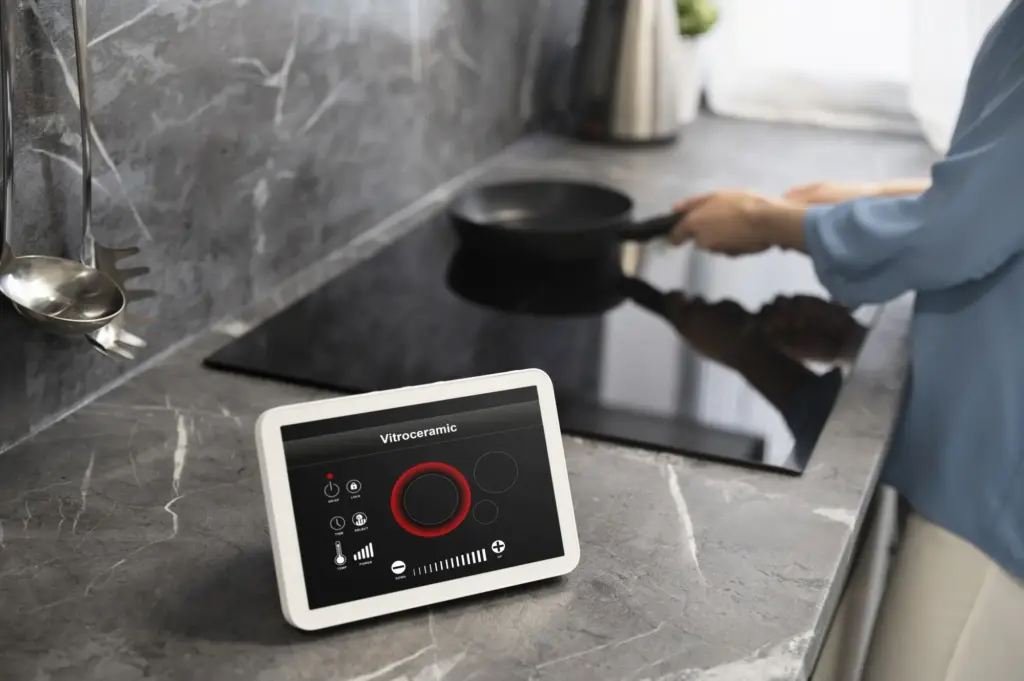
Smart thermostats often cut heating and cooling energy by 8–15% through learning schedules, geofencing, adaptive recovery, and insights that coach better habits. Real stories show families surprised by steady savings after enabling setbacks they never maintained manually. Upfront prices are modest, compatibility is manageable with guidance, and many utilities offer rebates. Comfort usually improves, too, as precise control smooths temperature swings, even during shoulder seasons and weekend routines.

01

Learning and Geofencing vs. Fixed Schedules

Fixed schedules work on paper, but life changes constantly. Learning algorithms notice patterns, geofencing recognizes when everyone leaves, and occupancy sensors temper aggressive setbacks. Together they automate discipline you meant to keep but didn’t. The result is predictable, low-effort savings and smoother comfort. By preventing overconditioning empty rooms, these features turn good intentions into consistent performance without sacrificing warmth on frosty mornings or coolness on sweltering afternoons.

02

Compatibility, Zoning, and Heat Pumps

Before purchasing, check wiring (C-wire needs), multi-stage equipment, and whether you have heat pumps with auxiliary heat. Proper lockouts and staging protect savings by avoiding unnecessary strips or short cycling. In zoned homes, coordinate sensors and dampers so one room’s request doesn’t overdrive the entire system. When set up thoughtfully, smart control respects equipment limits, preserves comfort, and ensures the algorithm’s intelligence converts into dependable reductions on your utility statements.

03

What the Data Says about Comfort and Persistence

Smart thermostats generate rich time-series data: setpoints, occupancy, runtime, and outdoor conditions. These streams validate savings, troubleshoot discomfort, and guide refinements, like adjusting recovery times. Households that periodically review insights sustain benefits far longer than set-and-forget users. The takeaway is simple: feedback fuels persistence. By learning from your own patterns, you lock in improvements that outlive novelty, delivering compounding returns season after season without constant tinkering or second-guessing.

LED Lighting: Bright Ideas with Long-Lived Returns

LEDs yield fast payback because they touch daily routines everywhere: kitchens, exteriors, hallways, and workspaces. Their efficiency slashes wattage, while long lifespans reduce maintenance. Target high-burn fixtures first to multiply impact. Choose appropriate lumens and color quality to delight, not disappoint. Dimming and sensors compound savings, and verified listings protect against exaggerated claims. With small investments spread across fixtures, LEDs quietly stack reliable, durable returns throughout your entire home.

Insulation and Air Sealing: Quiet Savings You Feel Every Day

Insulation and air sealing reduce heat flow and drafts, shrinking loads before equipment even runs. Homeowners describe rooms that finally feel even, with fewer cold corners and quieter nights. Attics and top plates usually deliver standout returns, especially when paired with targeted air sealing. Although costs can exceed gadgets, the enduring payoff shows up in comfort, stability, and meaningful energy cuts that continue regardless of schedules, apps, or changing routines.

Cold Regions: Heat Loss Dominates the Bill

Where winters are lengthy, every degree of heat saved compounds. Insulation and tight envelopes tame stack effect and reduce furnace or boiler runtime. Smart thermostats still help by refining setbacks without sacrificing mornings. LEDs add steady, smaller wins. Blend measures strategically: envelope first, controls next, then remaining lighting. The portfolio approach balances quick and deep paybacks, making overall returns robust across polar vortices, shoulder seasons, and everything the forecast throws your way.

Hot, Humid Regions: Cooling Loads and LEDs Shine

Air conditioners battle both heat and moisture. Smart thermostats limit unnecessary cooling, while LEDs cut internal heat gains and reduce maintenance in high-humidity areas. Insulation still contributes by slowing attic heat soak. Consider ceiling fans, sealed ducts, and shade. Together these measures trim peaks that drive expensive kilowatt-hours on summer afternoons. Prioritize fast-return lighting and control upgrades, then pursue targeted insulation to flatten indoor swings and protect comfort during steamy evenings.

People Patterns: Schedules, Setpoints, and Persistence

Two similar houses can perform differently because people live differently. Travel, pets, sleep schedules, and work-from-home habits shift runtimes. Smart thermostats adapt, but only if features are enabled. LEDs are behavior-proof nearly everywhere. Insulation is always on duty, independent of routines. Plan with honesty about your patterns, then monitor and refine. Persistence emerges when solutions feel invisible and supportive, not fussy, turning early enthusiasm into long, satisfying stretches of consistent, compounding savings.

Collecting Inputs without Guesswork

Photograph equipment labels, log bulb counts, record runtime patterns, and note thermostat schedules. Pull real tariffs, including taxes and fixed charges, not just average rates. Document insulation depths and attic conditions. These inputs reduce uncertainty and empower precise modeling. The fewer assumptions you make, the more persuasive your decision becomes, smoothing household alignment and making it easy to move from talk to action with shared, transparent expectations across everyone involved.

Sensitivity Testing Builds Confidence

Vary key inputs—utility rates, hours, setpoints, and weather—to see how results shift. If ROI remains healthy under pessimistic scenarios, move forward boldly. Sensitivity analysis prevents surprise disappointment and reveals which levers matter most. Focus attention there: the longest-burn fixtures, the draftiest attic, or the most impactful thermostat features. This discipline turns back-of-the-envelope calculations into robust plans that withstand reality’s bumps while still delivering dependable, repeatable household savings.

After-Action Review with Real Data

Post-upgrade, compare modeled expectations to measured outcomes. Use monthly bills, smart thermostat runtimes, and lighting runtimes from smart switches if available. Adjust assumptions and document lessons learned. Sharing results helps neighbors and friends skip missteps and adopt winning tactics faster. Verification isn’t bureaucracy; it’s how you turn one good decision into a reliable framework for many, compounding both confidence and financial returns as your efficiency portfolio steadily grows stronger.

From Plan to Action: Incentives, Financing, and Community Support

Stacking Rebates and Tax Credits Wisely

Verify eligibility windows, product requirements, and documentation before purchasing. Some programs require pre-approval, certified installers, or specific efficiency ratings. Map incentives against your shortlist, then target measures with the strongest combined value. Proper stacking shrinks payback dramatically and lowers risk. Keep tidy records, submit promptly, and track disbursements. When refunds arrive as expected, momentum builds, making the next upgrade easier to fund and emotionally satisfying for everyone sharing the household budget.

Selecting Pros and Ensuring Quality

For insulation and air sealing, experience matters. Seek contractors who perform blower-door tests, photograph details, and explain ventilation. For thermostats, ensure wiring and staging are correct. For LEDs, confirm compatibility with dimmers. Write scopes that specify outcomes, not just materials. Quality verification—photos, test results, and simple checklists—locks in the savings you modeled. Professional pride plus transparent documentation protects your investment, elevating comfort, and turning projected returns into lived reality reliably.

Share, Subscribe, and Compare Results Together

Post your before-and-after data, lessons, and favorite products. Invite questions and respectful debate about assumptions and methods. Subscribe for fresh case studies, calculators, and seasonal tune-up reminders that keep savings persistent. Collective learning shortens the path for newcomers and boosts everyone’s confidence. When neighbors see real bills drop alongside happier, more comfortable rooms, adoption accelerates, incentives expand, and the community enjoys cleaner air, stronger finances, and homes that feel better year-round.
Nexomorisanolorofarizeraviro
Privacy Overview

This website uses cookies so that we can provide you with the best user experience possible. Cookie information is stored in your browser and performs functions such as recognising you when you return to our website and helping our team to understand which sections of the website you find most interesting and useful.