
Counting the Savings: Smart Thermostats, LEDs, and Insulation That Pay You Back
How Energy Payback Really Works at Home

Start with a Clean Baseline
Translate Savings into Payback and ROI
Net Present Value Keeps Promises Honest
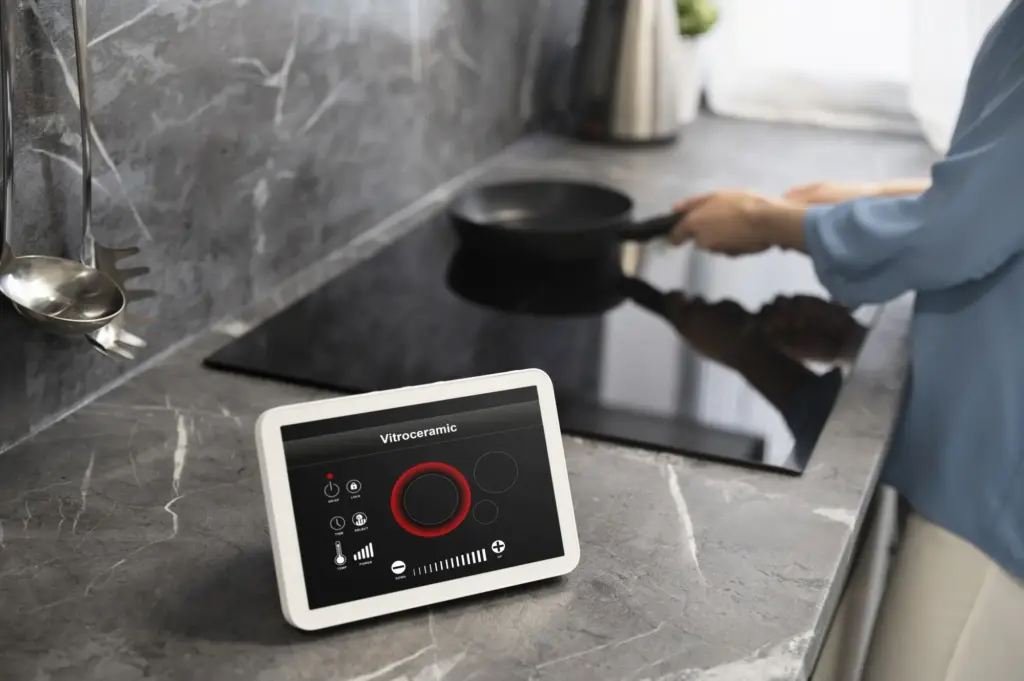
Smart Thermostats: Automation That Trims Heating and Cooling Costs
01
Learning and Geofencing vs. Fixed Schedules
Fixed schedules work on paper, but life changes constantly. Learning algorithms notice patterns, geofencing recognizes when everyone leaves, and occupancy sensors temper aggressive setbacks. Together they automate discipline you meant to keep but didn’t. The result is predictable, low-effort savings and smoother comfort. By preventing overconditioning empty rooms, these features turn good intentions into consistent performance without sacrificing warmth on frosty mornings or coolness on sweltering afternoons.
02
Compatibility, Zoning, and Heat Pumps
Before purchasing, check wiring (C-wire needs), multi-stage equipment, and whether you have heat pumps with auxiliary heat. Proper lockouts and staging protect savings by avoiding unnecessary strips or short cycling. In zoned homes, coordinate sensors and dampers so one room’s request doesn’t overdrive the entire system. When set up thoughtfully, smart control respects equipment limits, preserves comfort, and ensures the algorithm’s intelligence converts into dependable reductions on your utility statements.
03
What the Data Says about Comfort and Persistence
Smart thermostats generate rich time-series data: setpoints, occupancy, runtime, and outdoor conditions. These streams validate savings, troubleshoot discomfort, and guide refinements, like adjusting recovery times. Households that periodically review insights sustain benefits far longer than set-and-forget users. The takeaway is simple: feedback fuels persistence. By learning from your own patterns, you lock in improvements that outlive novelty, delivering compounding returns season after season without constant tinkering or second-guessing.
LED Lighting: Bright Ideas with Long-Lived Returns



Insulation and Air Sealing: Quiet Savings You Feel Every Day


Cold Regions: Heat Loss Dominates the Bill
Where winters are lengthy, every degree of heat saved compounds. Insulation and tight envelopes tame stack effect and reduce furnace or boiler runtime. Smart thermostats still help by refining setbacks without sacrificing mornings. LEDs add steady, smaller wins. Blend measures strategically: envelope first, controls next, then remaining lighting. The portfolio approach balances quick and deep paybacks, making overall returns robust across polar vortices, shoulder seasons, and everything the forecast throws your way.
Hot, Humid Regions: Cooling Loads and LEDs Shine
Air conditioners battle both heat and moisture. Smart thermostats limit unnecessary cooling, while LEDs cut internal heat gains and reduce maintenance in high-humidity areas. Insulation still contributes by slowing attic heat soak. Consider ceiling fans, sealed ducts, and shade. Together these measures trim peaks that drive expensive kilowatt-hours on summer afternoons. Prioritize fast-return lighting and control upgrades, then pursue targeted insulation to flatten indoor swings and protect comfort during steamy evenings.
People Patterns: Schedules, Setpoints, and Persistence
Two similar houses can perform differently because people live differently. Travel, pets, sleep schedules, and work-from-home habits shift runtimes. Smart thermostats adapt, but only if features are enabled. LEDs are behavior-proof nearly everywhere. Insulation is always on duty, independent of routines. Plan with honesty about your patterns, then monitor and refine. Persistence emerges when solutions feel invisible and supportive, not fussy, turning early enthusiasm into long, satisfying stretches of consistent, compounding savings.
Collecting Inputs without Guesswork
Sensitivity Testing Builds Confidence
After-Action Review with Real Data
From Plan to Action: Incentives, Financing, and Community Support

Stacking Rebates and Tax Credits Wisely

Selecting Pros and Ensuring Quality

Share, Subscribe, and Compare Results Together
All Rights Reserved.